Screen too small

Your device screen is too small for a comfortable experience. Please use a device with a wider screen (at least 360px).

Market News

Metro Shifts Strategy in Russia: Scaling Down Non-Food Sector to Focus on HoReCa
Apr 27, 2026

Metro Shifts Strategy in Russia: Scaling Down Non-Food Sector to Focus on HoReCa

At the Russian Retail Show forum held on April 21–23, Johannes Tholey, CEO of Metro Russia, announced a significant transformation of the German retailer's business model. The company has decided to substantially reduce its non-food assortment to concentrate on providing a relevant value proposition for professional clients. According to the approved plan, the number of SKUs in the non-food sector will be reduced from the current 11,000 to 7,000 in the medium term, and eventually to 4,500–5,000 items in the long term. This measure is driven by the revenue structure: by the end of 2025, food products accounted for 90% of the chain's turnover, while non-food items contributed only 10%. This shift in priorities is dictated by several factors: Focus on HoReCa: The primary strategic emphasis is moving toward professional clients—restaurants, cafes, and hotels—for whom the relevance of the assortment to specific business tasks is far more critical than its overall breadth. Competition with Marketplaces: Consumer demand for non-food products is massively shifting toward online platforms. Declining Purchasing Power: Retailers are observing a drop in consumer demand specifically within the non-food segment. Despite the assortment optimization, Metro continues to invest in the Russian market. In 2025, total investments reached €43 million (+13.2% year-on-year), which were directed toward business support and the development of IT infrastructure. Retailchina.pro Commentary: Metro’s decision is a logical move toward the classic Cash & Carry model, where shelf efficiency is determined by the turnover speed of the professional assortment. For Chinese suppliers, this is a vital signal: the "window of opportunity" in the non-food segment for hypermarkets is rapidly closing, as retailers no longer wish to compete with marketplaces for warehouse space. However, new prospects are emerging for manufacturers of food products and ingredients for the HoReCa segment. Metro is becoming a key distribution channel specifically for B2B solutions, and success here will depend on a supplier's ability to offer not just a product, but "professional expertise" and supply stability.
X5 Group: Logistics Leadership in Russian Food Retail
Apr 26, 2026

X5 Group: Logistics Leadership in Russian Food Retail

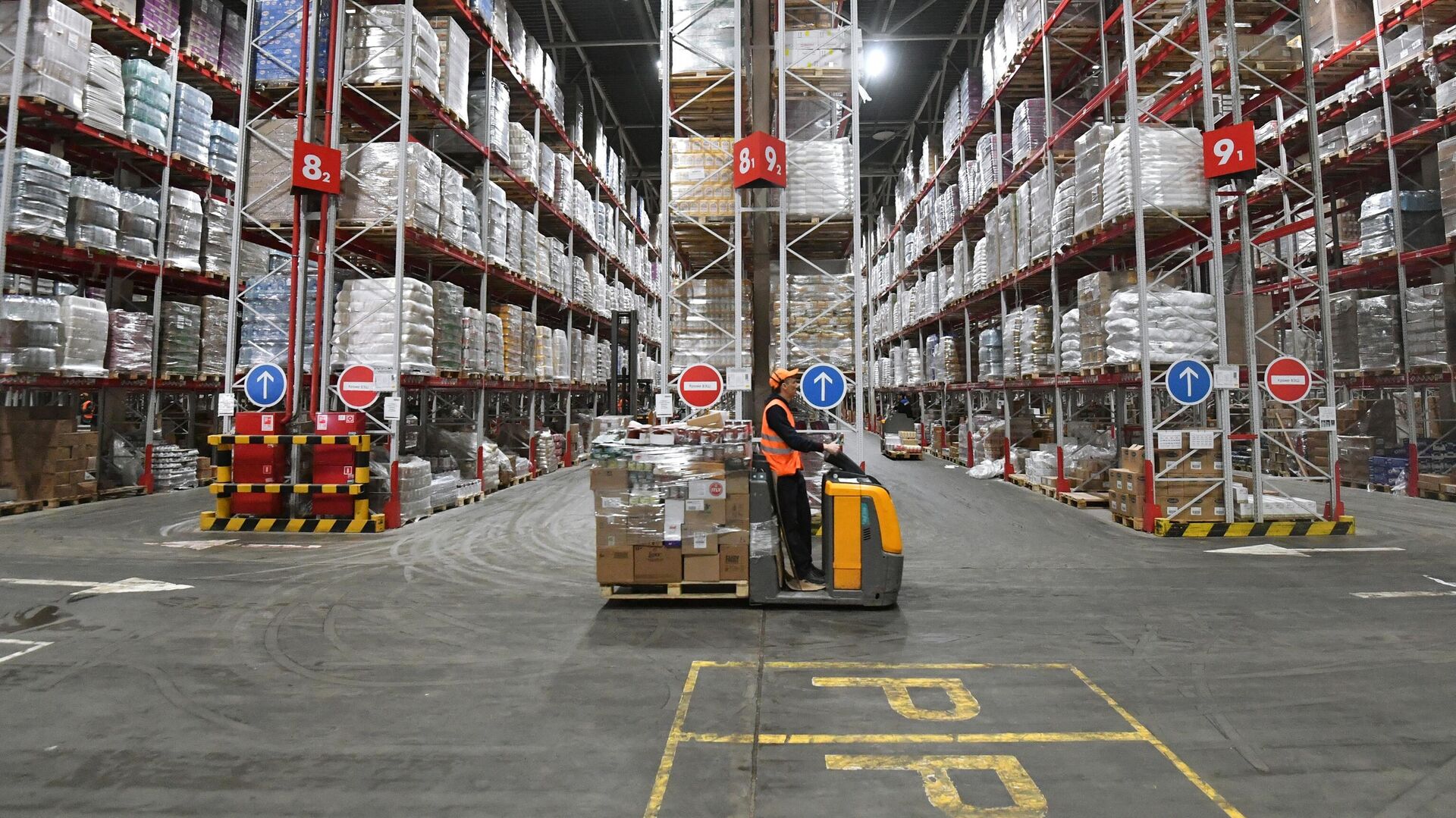
By the end of 2025, X5 Group achieved the top position among Russian FMCG chains in terms of total logistics facility area, reaching 2,124 thousand square meters compared to Magnit's 2,108.9 thousand square meters. According to the INFOLine rating, as of January 1, 2026, X5 also maintained its lead in the number of logistics facilities: 83 sites compared to its closest competitor’s 52. The speed of infrastructure expansion adds further significance to X5’s leadership. In 2025, the company recorded the market's largest absolute growth, adding 11 new facilities with a total area of 169.1 thousand square meters. Just a year prior, Magnit led in terms of logistics capacity (2,073.8 thousand sq. m vs. 1,954.9 thousand sq. m for X5); thus, within a single year, X5 turned a 118.9 thousand square meter deficit into a 15.1 thousand square meter advantage. A key takeaway from the rating is that this represents a fundamental shift in the FMCG logistics market configuration rather than just a matter of scale. The INFOLine rating includes distribution centers and warehouse complexes of major food chains while excluding dark stores. This signifies that X5's first-place ranking reflects the strength of its core offline and omnichannel infrastructure, rather than being an effect of separate e-grocery facility accounting. This growth was driven by the organic expansion of the logistics circuit, the launch of joint facilities for the "Pyaterochka" and "Chizhik" chains, and the company's entry into new regions. Notably, X5 launched its first logistics facility in the Khabarovsk Territory and commenced construction of 10 additional distribution centers scheduled for commissioning in 2026–2027. By the end of 2025, X5's logistics network covered 75 regions of Russia. Retailchina.pro Commentary: X5's logistics leadership is becoming one of its primary sources of competitive advantage in the food retail market. The scale of the warehouse network and unified supply chain management standards allow the company to reduce unit logistics costs, flexibly redistribute flows between regions, and maintain stable product availability even during periods of sharp demand fluctuations.
Expansion of New Formats: Growth of Monetka Discounters and EUROSPAR Supermarkets
Apr 25, 2026

Expansion of New Formats: Growth of Monetka Discounters and EUROSPAR Supermarkets

In April 2026, federal retailers announced large-scale regional store openings. The hard discounter chain Monetka (part of Lenta Group) continues its aggressive expansion: in February 2026, the network crossed the milestone of 4,000 stores, opening its anniversary location in Yekaterinburg. The retailer maintains record growth rates and plans to open more than a thousand new stores annually between 2026 and 2028. In parallel, expansion continued in the premium supermarket segment. The Spar Middle Volga company opened its 50th anniversary EUROSPAR store in Moscow — the new supermarket launched near Belorussky railway station in the AFI Galereya shopping center. The retail sales floor is 660 square meters, with a total premises area of 1,210 square meters, a significant portion of which is dedicated to an in-house production and deli zone. The store is designed for daily traffic of up to 6,000 people and is equipped with 18 self-checkout counters. Retailchina.pro Expert Commentary: The multi-directional expansion of Russian retail forms two independent sales channels for Chinese FMCG manufacturers. The aggressive growth of hard discounters like Monetka (over 1,000 new locations per year) opens direct opportunities for supplying affordable food imports in large wholesale batches. Conversely, the development of high-traffic EUROSPAR flagships in central Moscow creates a showcase for introducing high-margin Asian products (snacks, beverages, ready-to-eat meals) targeted at the affluent demographic of major cities.
Agro-logistics Acceleration: Growth of Fruit and Vegetable Imports from China to the CIS via Khorgos
Apr 24, 2026

Agro-logistics Acceleration: Growth of Fruit and Vegetable Imports from China to the CIS via Khorgos

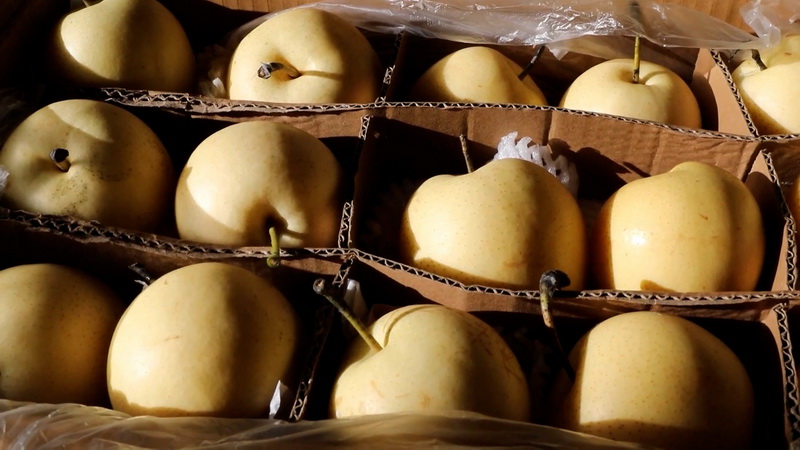
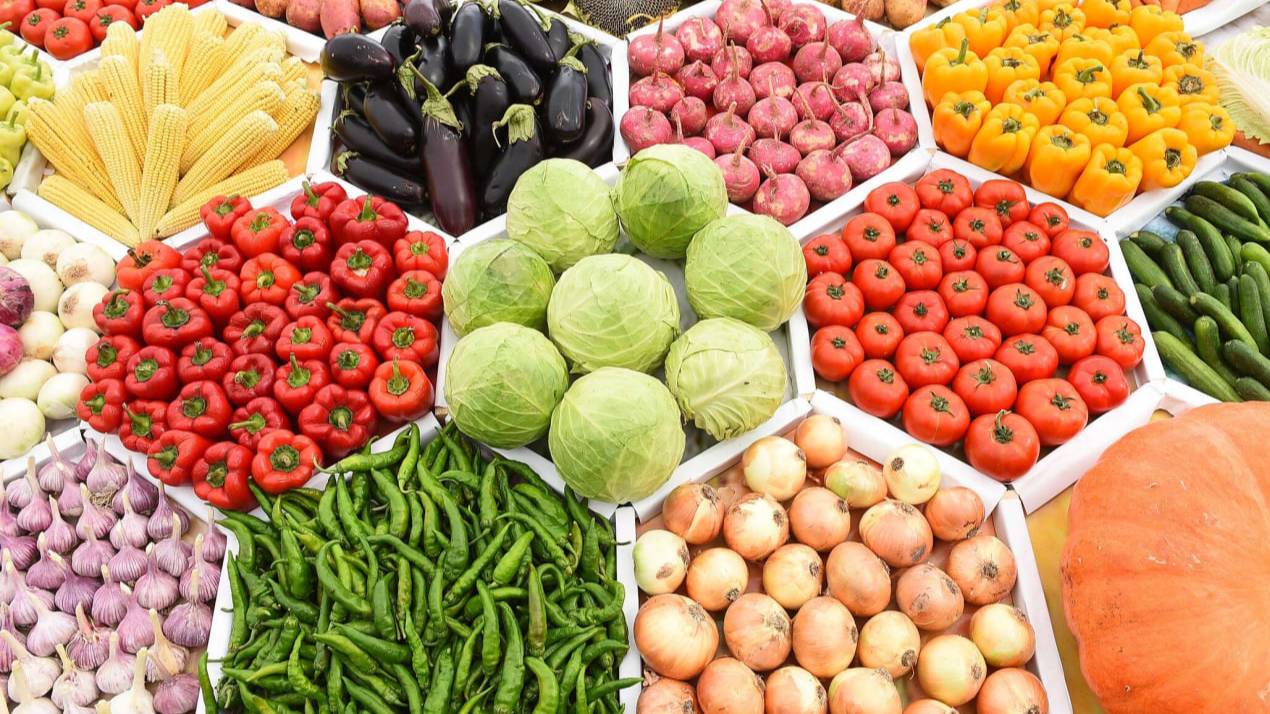
In early 2026, trade relations between China and CIS countries showed stable growth in the fresh produce segment. According to the General Administration of Customs of the PRC, exports of fruit and vegetables from China through the Khorgos border checkpoint increased by 29.3 percent year‑on‑year in January–February 2026, reaching 137 thousand tons. This sharp increase is driven by the synergy of two factors: the traditional spring peak in demand for imported vegetables in CIS countries amid the depletion of their own open‑field stocks, and large‑scale logistics optimization at the border. The main flow of refrigerated trucks is directed to Kazakhstan, Uzbekistan and Russia. The key infrastructure driver was the fact that, since late 2023, the Chinese side has operated the Khorgos checkpoint on a 24/7 basis, while in 2024–2025 Kazakhstan and China agreed to extend the round‑the‑clock regime at the Nur Zholy–Khorgos crossing points until 30 June 2026 and to gradually increase throughput capacity to 1,000 trucks per day. Whereas in previous years seasonal peaks led to multi‑day queues and idle time for trucks at the border, today seamless processing allows this peak flow to be handled without bottlenecks: fresh Chinese produce typically reaches neighboring markets within 12–24 hours, without loss of quality. Retailchina.pro Expert Comment: The dynamics of cross‑border trade via Khorgos confirm China’s logistics dominance in supplying CIS countries with fruit and vegetable products during the shoulder season. Cutting transit times to within a single day and eliminating border queues enable Chinese exporters to serve seasonal demand as efficiently as possible, delivering premium‑quality produce to retailers with minimal shrinkage and write‑off costs. For retail chains in Kazakhstan, Uzbekistan and Russia, this creates an opportunity to maintain a broad assortment of fresh fruit and vegetables in the “low” season without sharp price spikes on the shelf.
From Fast Food to Premium: How Asian Noodles are Capturing the Russian Market
Apr 23, 2026

From Fast Food to Premium: How Asian Noodles are Capturing the Russian Market

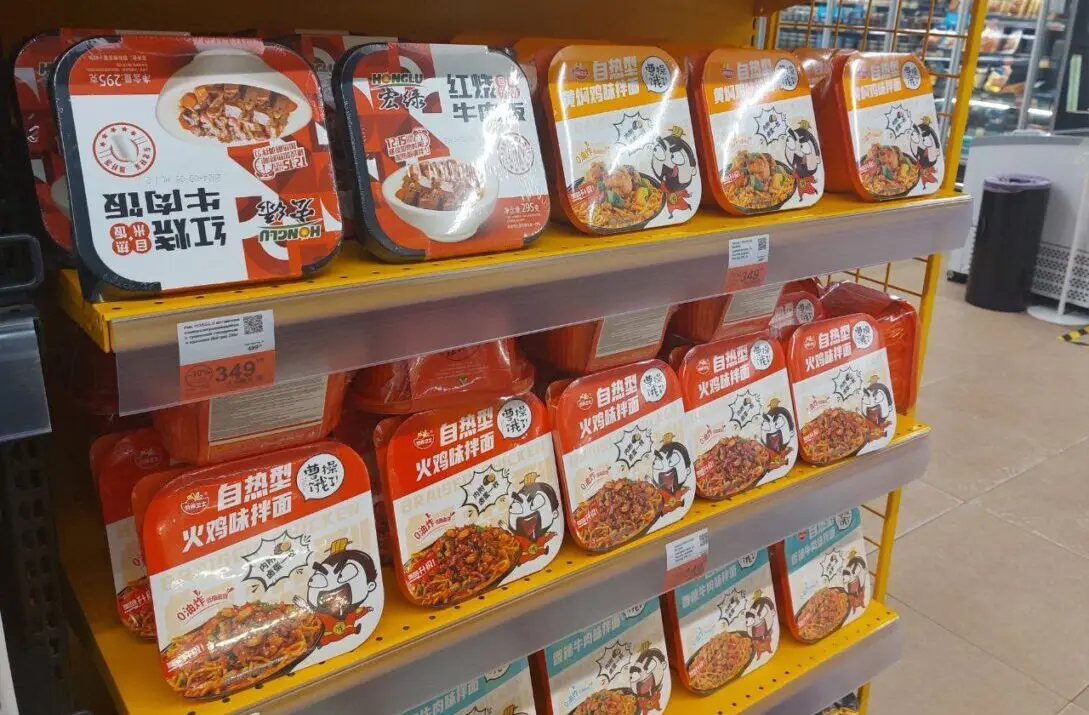
In April 2026, analysts from 2GIS recorded explosive growth in the Asian fast-food segment in cities with over a million people. According to the study, the number of specialized ramen and noodle shops has doubled since 2023, reaching 489 establishments. The number of such establishments grew by 41% in just the last three years, confirming the high interest of Russians in the Asian culture of consumption. In parallel with the development of street food, retail demand is also transforming, as evidenced by data from the IT company Evotor and NielsenIQ. Despite a decline in volume sales of cheap mass-market briquettes, the category's total monetary turnover grew by 16% at the end of 2025. The average price per package increased to 62–66 rubles. Experts attribute this to a massive consumer shift toward imported and premium noodles with authentic flavors (priced between 100 and 250 rubles). Driven by this trend, major Korean manufacturer Nongshim announced the expansion of its presence in Russia in April 2026. Retailchina.pro Expert Commentary: The statistics confirm a sustained trend toward the premiumization of Asian noodles in Russia. Consumers no longer view the category solely as 'survival food' and are willing to pay a premium for an authentic, restaurant-like taste. For Chinese food factories, this represents a wide-open window of opportunity: exporting high-quality ramen and convenience food in attractive packaging with original sauces currently offers significantly higher profit margins than attempting to compete in the basic low-cost segment.
Sales of Non-Alcoholic Beer on Marketplaces Surged by 260% in Q1 2026
Apr 22, 2026

Sales of Non-Alcoholic Beer on Marketplaces Surged by 260% in Q1 2026

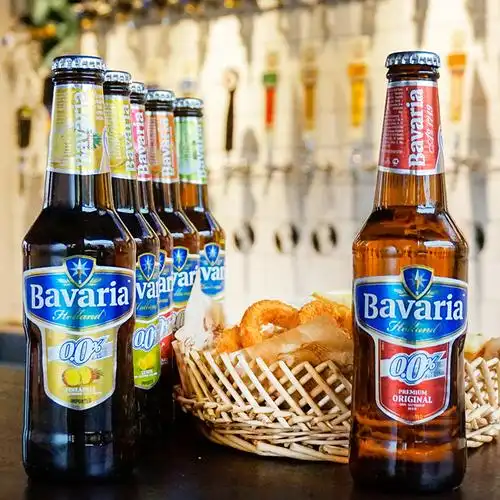
In the first quarter of 2026, the Russian non-alcoholic beer market demonstrated record growth dynamics, especially in the e-commerce segment. According to analytical data, sales of this beverage category on the country's leading marketplaces increased 2.6 times (by 160%) compared to the same period last year. Growth was also recorded in traditional offline retail, although it amounted to a more modest 21.1%. The total production of non-alcoholic beer in Russia over the first three months of 2026 grew by 6.6%, reaching 61.4 million liters. At the same time, domestic products account for 93.4% of the total supply volume on the market. The largest Russian producers, such as Baltika, AB InBev Efes, and Bochkarev Breweries, have invested about 1.5 billion rubles in the development of their non-alcoholic portfolios over the past year and a half. The share of such beverages in their total sales has already reached 2.7–3%. Retailchina.pro Expert Commentary: The explosive sales growth in e-commerce (2.6 times) is a direct consequence of regulatory specifics. Unlike classic alcohol, non-alcoholic beer is permitted for online sale and delivery. Marketplaces have become the ideal channel for testing new flavors and buying in bulk. For importers from China and Asia, this is a signal: bringing new non-alcoholic beverages to the Russian market is now better started directly through marketplaces (Ozon, Wildberries), bypassing complex negotiations with offline chains and saving on distribution.
Belarus Imposes Strict Ban on Imports of Chinese Drinkable Jelly and Soy Meat
Apr 21, 2026

Belarus Imposes Strict Ban on Imports of Chinese Drinkable Jelly and Soy Meat

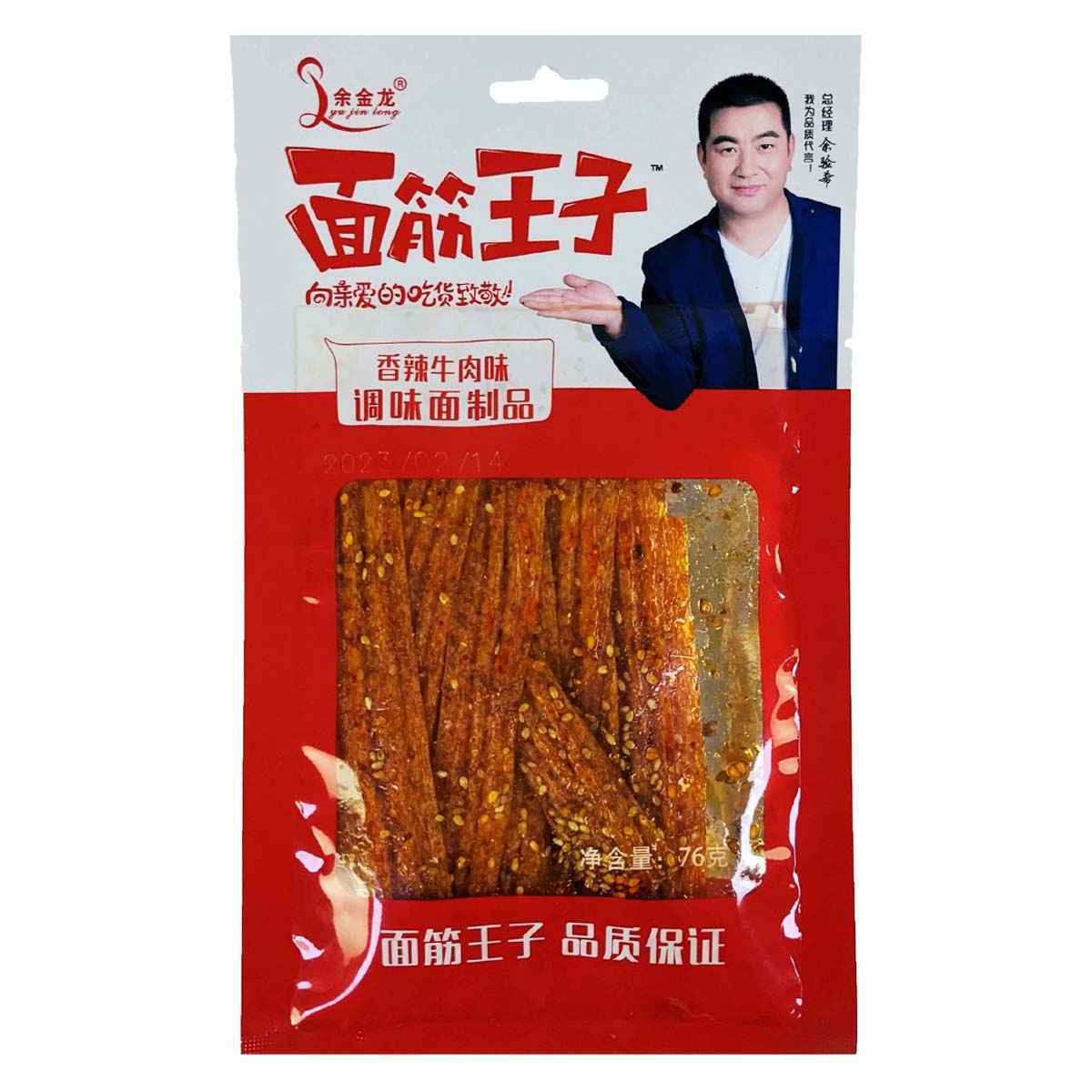
The State Committee for Standardization of the Republic of Belarus (Gosstandart) has decided to ban the import and sale of a number of popular Chinese food products within the country. The restrictions, which came into force on April 9, 2026, affected three types of drinkable fruit jelly and three types of spicy flour snacks, commonly known as "soy meat". During inspections, it was found that the products did not comply with the requirements of the Customs Union's technical regulations "On Food Safety". Specifically, the drinkable jelly (lychee, green grape, white peach, coconut flavors) manufactured by Dazlian Zhenxin Canned Food Co., Ltd contained the flavor enhancer ethyl maltol (E637), which is not included in the list of additives permitted for this type of food production. Similar violations were identified in three types of spicy flour strips under the Yujinlong brand (manufactured by Xiping Yangyang Food Technology Co.). All tested samples contained unacceptable food additives, and their technological purpose was not indicated. In addition, the packaging lacked the complete mandatory information about the manufacturer and ingredients in Russian or Belarusian. Retailchina.pro Expert Commentary: This case serves as a crucial signal for all importers of food products from Asia. EAEU regulatory authorities are consistently tightening the filtration of imported sweets and snacks for compliance with internal certification requirements. The use of food additives (colorants, flavor enhancers, sweeteners) that are legal in the PRC but banned or restricted in the EAEU leads to an immediate sales ban. For Chinese suppliers and their local distributors, this means an absolute necessity for the legal adaptation of recipes and ensuring that Russian-language labeling fully complies with the technical regulations of the Customs Union (TR CU) at the production planning stage. 
FMCG Manufacturers Abandon Short Discounts in Favor of "Long" Promos
Apr 20, 2026

FMCG Manufacturers Abandon Short Discounts in Favor of "Long" Promos

The tma agency (part of the ADV Experience division) has published its annual analytical report on the consumer activation market in the fast-moving consumer goods (FMCG) segment. According to the research data released on April 13, 2026, the average duration of promo campaigns in traditional retail and chain stores increased by 23% and reached two months. Analysts studied 560 campaigns (185 national and 375 customized) implemented in 2025. Confectionery, beverages (including energy drinks), and dairy products became the leaders in the number of marketing activations. Together, these three categories accounted for 52% of all promo campaigns in the market. Explosive growth in activity was separately noted in the energy drinks segment: the number of promotional activities here increased by 96% compared to the previous period. Special attention in the study is paid to the mechanics of customized programs within retail chains. Over 72% of such activations are aimed at retaining the buyer and stimulating repeat purchases. Retailers and manufacturers use loyalty points, certificates, and subscriptions instead of direct discounts. At the same time, the average budget for the prize fund in national campaigns amounted to 4.3 million rubles, and in customized ones — 2.3 million rubles. Retailchina.pro Expert Commentary: The increase in the average duration of promo campaigns to two months is a direct market reaction to a decline in spontaneous demand. The buyer no longer responds to short price shocks, preferring systemic savings. For foreign manufacturers entering the market of the Russian Federation or the CIS, this means a fundamental change in the trade marketing strategy. One-off promotions for 1-2 weeks are no longer effective; the budget must be planned for long cycles with deep integration into the loyalty programs of specific retail chains.
Inflation and Markup Disputes: Georgia Discusses Retailers' Impact on Food Prices
Apr 19, 2026

Inflation and Markup Disputes: Georgia Discusses Retailers' Impact on Food Prices

In April 2026, the National Statistics Office of Georgia (Geostat) published inflation data for March of the current year. In annual terms, the consumer price index stood at 4.3%. The main driver of inflation traditionally became the category of food and non-alcoholic beverages. According to official statistics, the highest price increases within the food basket were recorded for fish, fresh fruits, and meat. Against the backdrop of the macroeconomic data publication, a public discussion has intensified in the country between local food producers and large retail chains. Representatives of the manufacturing sector state that a significant part of the final retail cost of goods is formed due to high supermarket markups. In addition, suppliers point to long delays in payments for sold goods, which can reach 45 days. In turn, the Georgian Retail Association attributes the growth of final shelf prices to the rising cost of logistics and structural inefficiencies in supply chains on the side of the producers themselves. Representatives of grocery chains note that the stabilization of retail prices is possible subject to the comprehensive modernization of distribution facilities and the reduction of basic costs for transportation and storage. Retailchina.pro Expert Commentary: The public discussion between suppliers and retail chains in Georgia reflects a natural stage in the development of the local FMCG market. Amid 4.3% inflation and the rising cost of basic products, retail networks are optimizing their financial models, including through payment deferrals (up to 45 days). For foreign food exporters, this is a clear market signal: when entering the Georgian market, longer capital turnover cycles must be factored into the financial model. It is also advisable to build direct logistics to the distribution centers of federal chains to avoid the additional margin burden from local distributors.
Magnit Retail Chain Shifts to Direct Purchases of Fresh Agricultural Products from Uzbekistan
Apr 18, 2026

Magnit Retail Chain Shifts to Direct Purchases of Fresh Agricultural Products from Uzbekistan

In mid-April 2026, one of Russia's largest retail chains, Magnit, launched a new import model in the Fresh category (fresh fruits and vegetables). The retailer has begun making direct purchases of agricultural products from farms in Uzbekistan, bypassing the chain of local distributors and wholesale intermediaries. Under the new scheme, logistics are structured to ensure the delivery of perishable products on a "from field to shelf" basis within 10 days. The first batch of fresh vegetables has already arrived at the chain's distribution center. In total, by the end of 2026, Magnit plans to directly import at least 1,500 tons of Uzbek fruits and vegetables. The main volume will be directed to distribution centers in the Urals, Siberia, and the Moscow region. Retailchina.pro Expert Commentary: The transition of federal retail to direct purchases (agrosourcing) is a strategic shift in the import market of the Fresh category. Eliminating intermediaries allows retail chains not only to reduce the final shelf price amid high food inflation but also to strictly control product quality at all stages. For suppliers from the CIS and Asia, this case highlights the need for consolidation: to work directly with Russian chains, producers must provide consistently large supply volumes, implement international calibration and packaging standards, and be prepared for strict audits by the retailer.
X5 Group Revenue Growth Slowed to 11.3% in the First Quarter of 2026
Apr 17, 2026

X5 Group Revenue Growth Slowed to 11.3% in the First Quarter of 2026

In mid-April 2026, X5 Group, Russia's leading food retail company (operating Pyaterochka, Perekrestok, and Chizhik), presented its preliminary consolidated operational results for the first quarter of the current year. The retailer's total revenue grew by 11.3% year-on-year, reaching 1.19 trillion rubles. Despite steady double-digit growth, the actual pace was lower than the previous quarter (+14.9%) and fell slightly short of the management's stated target range for 2026 (12–16%). Like-for-like (LFL) sales growth was 6.1%. By format, the hard discounter chain Chizhik remained the leader in growth rates, with its net revenue jumping by 29.8% to 116.8 billion rubles. Pyaterochka's revenue increased by 9.9% (to 913.1 billion rubles), and Perekrestok supermarkets saw a 6.8% rise (to 141.9 billion rubles). Separately, the retailer highlighted the strong dynamics of its digital businesses (Vprok.ru online delivery and express delivery), whose revenue grew by 26.6%, amounting to 89.7 billion rubles (7.5% of total sales). During the quarter, X5 opened 348 new stores, increasing its total selling space by 8% year-on-year. Retailchina.pro Expert Commentary: The slowdown in revenue growth of Russia's largest retailer indicates the stabilization of the consumer market and the high base of the previous year. However, the structure of this growth is highly indicative for foreign suppliers: the outstripping dynamics of Chizhik hard discounters (+29.8%) and online delivery (+26.6%) confirm that Russian shoppers are simultaneously seeking maximum savings on their basic basket and the convenience of digital services. For Chinese FMCG manufacturers, this means a need to differentiate their offerings: supplying entry-price goods in large packaging for discounters while simultaneously introducing impulse and new categories into the rapid online delivery segment.
Retail Trade Turnover in Belarus Grew by 6% in the First Quarter of 2026
Apr 16, 2026

Retail Trade Turnover in Belarus Grew by 6% in the First Quarter of 2026

In the first quarter of 2026, the consumer market of the Republic of Belarus demonstrated a noticeable acceleration in its dynamics. According to official data from the National Statistical Committee (Belstat), published on April 16, 2026, retail trade turnover in the country for January–March reached 25.6 billion Belarusian rubles. In comparable prices, this is 6% higher than in the same period of 2025. This indicator reflects steady growth in consumer activity, especially considering that the growth rate for the first two months of the year was only 1.6%. Organized retail was the foundation of this positive dynamic. Trade organizations accounted for 96.1% of the total retail turnover, amounting to 24.6 billion rubles in monetary terms. The growth in this segment reached 6.4% in comparable prices. An important indicator of increased purchasing power was the growth in the one-day per capita retail trade turnover — in the first quarter of 2026, it increased to 31.4 rubles (compared to 28 rubles a year earlier). At the same time, wholesale trade turnover in January-March 2026 amounted to 41.8 billion rubles, accounting for 96.2% of the first quarter of the previous year. The turnover in the public catering sector for the same period amounted to 1.8 billion rubles (98.9% in comparable prices to the previous year's level). Retailchina.pro Expert Commentary: The statistics published by Belstat serve as an important macroeconomic marker for FMCG market participants. The 6% growth in retail sales and the increase in the average daily per capita receipt indicate a confident recovery of consumer activity in Belarus. Since organized retail generates over 96% of sales, large retail chains remain the primary distribution channel in the country. For foreign food suppliers, including exporters from the PRC, this data confirms the stable capacity of the Belarusian retail market and creates favorable conditions for expanding food supplies.